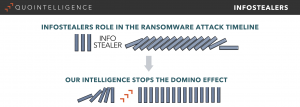
Infostealer Malware: The Silent Threat Lurking in Your System
Infostealer malware attacks are designed to steal sensitive information such as login credentials, financial data, and personal information.


Infostealer malware attacks are designed to steal sensitive information such as login credentials, financial data, and personal information.
Ransomware groups and APTs are resorting to Living-off-the-Land Binaries (LOLBINs) — legitimate software and tools preinstalled on infected systems.

As the use of ChatGPT rises, we analyze the current AI regulatory frameworks.
Kaspersky reports that some victims compromised in the SupplyChain attack against 3CX’s Desktop Application VoIP software also had the Gopuram
QuoIntelligence outlines the main features of two EU legislation proposals, the Net Zero Industry Act and Critical Raw Materials Act,
Europe continues to come under cyber attack from a Russian Threat Actor and what is happening in the Banking sector.
Emotet, the popular MaaS Trojan and Infostealer is in the news with a new wave of activity.
QuoIntelligence research team identified an ongoing phishing campaign targeting companies across all sectors worldwide.
QuoIntelligence is the first to publish on a new campaign with multi-stage lures aiming to infect victims with Fsociety framework-based
In the week when we forecast Ransomware will continue to proliferate, Trend Micro announced a new family dubbed “Mimic”.

New Android Trojan RemControl Targets Retail Bank Customers in Europe and Canada | Poland Suspects Fire at Starlink Station Was Act of Sabotage
Revolut Customer Data Breach Exposes Sensitive Personal and Financial Information After Attacker Impersonates Government Agency | Suspected Sabotage Disrupts Dutch Trains, After Similar Incident in France Causes Derailment
StyleSmuggler Zero-Day Exploited in Active Attacks Against Magento and Adobe Commerce | Norway, the UK, and the US Reportedly Foiled a Russian Subsea Cable Sabotage Plot
QuoIntelligence’s report tracks how app developers become an intermediary in the residential proxy supply chain through Software Development Kit (SDK) integration, and what that means for end users left carrying the risk.